DHCH@ISR 2026 / Speakers

<rdf:RDF>
<dhch:Speaker
dhch:name
Rahaf Almomani
dhch:member-of
University of Basel
dhch:talk-topic
dhch:talk-summary
/>
</rdf:RDF>

<rdf:RDF>
<dhch:Speaker
dhch:name
Elena Chestnova
dhch:member-of
Istituto di storia e teoria dell’arte e dell’architettura, Università della Svizzera italiana
dhch:talk-topic
dhch:talk-summary
/>
</rdf:RDF>

<rdf:RDF>
<dhch:Speaker
dhch:name
William Duba
dhch:member-of
University of Fribourg
dhch:talk-topic
dhch:talk-summary
/>
</rdf:RDF>
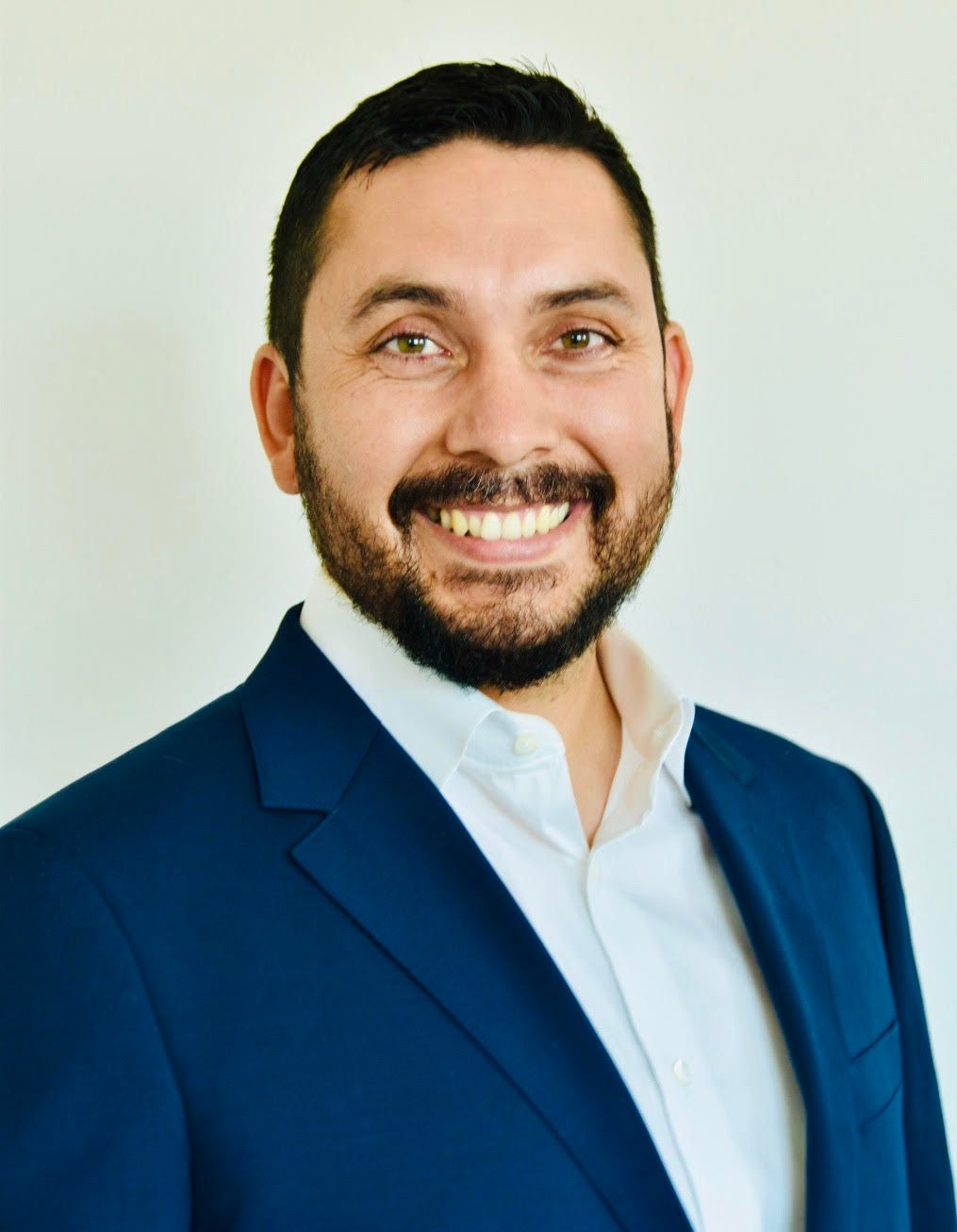
<rdf:RDF>
<dhch:Speaker
dhch:name
Ramon Erdem-Sanchez
dhch:member-of
University of Basel
dhch:talk-topic
Charting Absences: Toward an RDF and AI-Supported Framework for Ethical Research Design
dhch:talk-summary
This contribution explores how RDF-based linked open data (LOD) infrastructures, when combined with AI methods, can serve as ethical tools to identify both presence and absence in social science research. Drawing from my political science seminar research on economic inequality and political disaffection in California, and my current work developing a semantic RDF model of walkability and housing data from U.S. federal sources, I argue that research datasets should be embedded in semantic structures that expose where knowledge is dense, and where it is missing. Rather than treating data absence as a passive outcome, this project proposes a proactive framework for identifying and visualizing underrepresented populations, concepts, or geographies across studies. AI systems are envisioned not only as tools for analysis but also as reflexive agents that help researchers detect epistemic gaps, bias propagation, and structural omissions in existing data regimes. By enabling such a diagnostic layer in the research process, RDF and AI can help shift study design toward greater transparency, inclusivity, and ethical responsibility. This approach sits at the intersection of critical data studies, digital humanities, and computational social science, proposing a design-oriented vision for mitigating structural bias through the very infrastructures that govern how data is described, connected, and reused.
/>
</rdf:RDF>

<rdf:RDF>
<dhch:Speaker
dhch:name
Alessia Fontes Duarte
dhch:member-of
University of Basel
dhch:talk-topic
dhch:talk-summary
/>
</rdf:RDF>

<rdf:RDF>
<dhch:Speaker
dhch:name
Marvin Gablenz
dhch:member-of
University of Basel
dhch:talk-topic
dhch:talk-summary
/>
</rdf:RDF>

<rdf:RDF>
<dhch:Speaker
dhch:name
Paola Lechuga
dhch:member-of
University of Basel
dhch:talk-topic
Caught in the Feed: How Algorithms Navigate Us Through Digital Culture
dhch:talk-summary
This talk examines the intersecting layers of bias that emerge when applying large language models (LLMs) to historical sources—specifically, a corpus of letters from Nazi-era Germany (1939–1945). Drawing on a Digital Humanities project that uses neural networks and LLMs to extract named entities (persons, roles, places, organizations), I argue that machine bias does not act in isolation, but rather interacts with and amplifies existing archival and source-based distortions. The first layer is archival bias: not all individuals, voices, or materials are preserved equally. The second is source bias: even within surviving documents, representation is uneven—particularly for women and marginalized groups. For example, female actors often appear only in relational forms, making them nearly untraceable. The third layer is model bias: LLMs trained on modern or biased datasets tend to misclassify, erase, or flatten these already fragile traces. Rather than viewing these biases as mere technical errors, I propose treating them as structural epistemic problems. The talk discusses how we address these issues within the annotation pipeline by implementing review flags (needs_review), context-sensitive deduplication, and uncertainty tracking—turning machine limitations into analytical tools. This presentation aims to offer perspectives on how we engage with AI in the humanities. Existing biases in our research data can be amplified by the tools we use—especially by powerful systems such as LLMs. What we call “AI” becomes, through our application of it, a co-producer of historical interpretation and meaning. Recognizing and documenting bias at every level—within archives, within source texts, and within computational models—is not a limitation, but a methodological necessity. This case study offers a practical and critical reflection on the ethical responsibilities of DH projects that rely on AI, and calls for bias-aware annotation frameworks that foreground what remains invisible, uncertain, or contested in historical data.
/>
</rdf:RDF>

<rdf:RDF>
<dhch:Speaker
dhch:name
Michele Marchioni
dhch:member-of
University of Zürich
dhch:talk-topic
dhch:talk-summary
/>
</rdf:RDF>

<rdf:RDF>
<dhch:Speaker
dhch:name
Tassilo Roeck
dhch:member-of
University of Bern
dhch:talk-topic
dhch:talk-summary
/>
</rdf:RDF>
